As marijuana legalization continues to gain traction across the United States, the landscape of cannabis laws remains a patchwork of regulations. As of 2025, policies range from full legalization to outright prohibition, depending on the state. This article provides an in-depth look at the current state of marijuana legalization in the U.S., highlighting the differences between recreational and medical cannabis laws to help you navigate this complex and evolving topic.
Marijuana has had a tumultuous history in the U.S. In the early 20th century, it was widely used for medicinal purposes, but it was later banned under policies like the “War on Drugs.” In recent years, growing public awareness of its medical benefits and economic potential has fueled a wave of legalization efforts. According to the National Conference of State Legislatures, as of early 2025, more than half of U.S. states have legalized marijuana in some form.
Legalization generally falls into two categories:
Fully Legal States (Recreational and Medical)
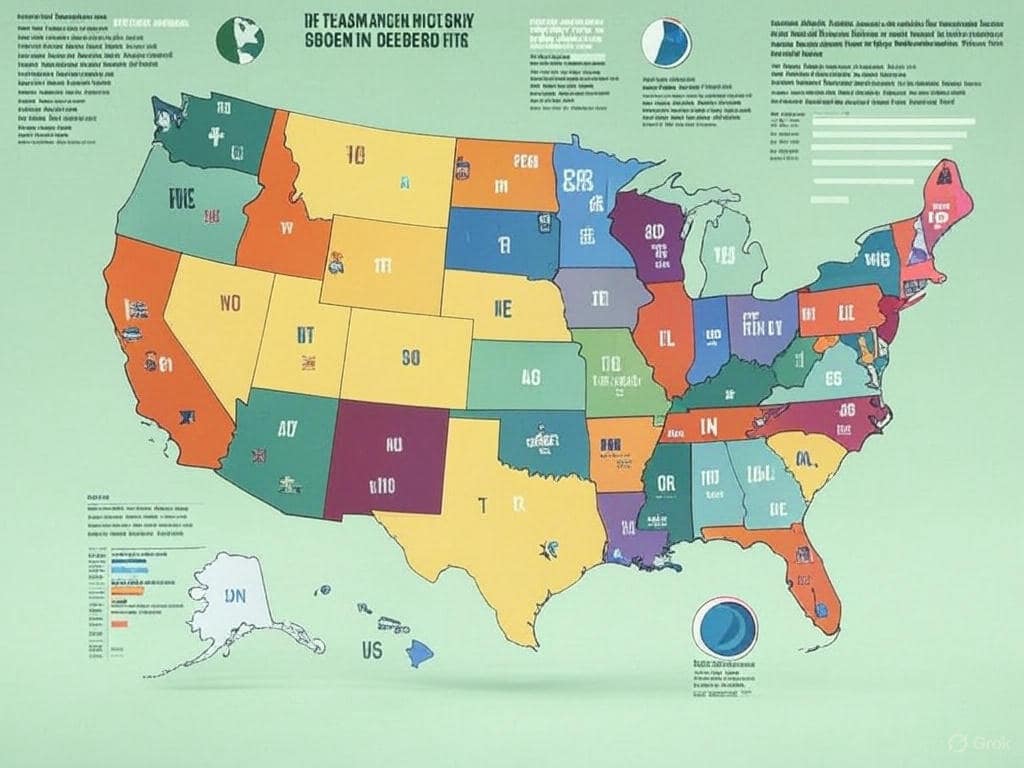
As of 2025, 24 states plus Washington, D.C., have fully legalized both recreational and medical marijuana. These include California, Colorado, Washington, and New York, among others. Here are some highlights of policies in key states:
Medical-Only States
Some states permit only medical marijuana, often with stricter regulations. Examples include Florida, Texas, and Utah:
States Where Marijuana Remains Fully Illegal
Despite the nationwide push for legalization, a handful of states still prohibit all forms of marijuana, including Idaho and Wyoming. In these states, possessing even small amounts can lead to fines or jail time.
1. Possession and Purchase Limits
States have varying rules on how much marijuana you can possess or buy:
2. Cultivation Rules
Some recreational states allow personal cultivation, while others don’t:
3. Taxation and Regulation
Legal states often impose hefty taxes on marijuana sales. For example, Colorado levies a 15% excise tax, with some revenue funding school construction. Each state also has regulatory bodies, like cannabis control boards, to issue licenses and oversee the market.
External Link: Curious about cannabis taxation details? Check out the latest report from the Tax Foundation.
Economic Benefits
Marijuana legalization has significantly boosted local economies. According to MJBizDaily, the U.S. cannabis market was valued at an estimated $31 billion in 2024, with projections for further growth in 2025. Legal states have seen gains through tax revenue and job creation.
Social Impacts
Legalization has sparked debate. Proponents argue it reduces black market activity and lowers crime rates, while critics worry about increased teen use and public safety concerns.
With ongoing federal discussions about reclassifying marijuana (potentially moving it from Schedule I to Schedule III), more states may push for legalization in the coming years. Public sentiment is also shifting: a 2024 Pew Research Center survey found that nearly 90% of Americans support some form of marijuana legalization.
Q: Which states have the most relaxed marijuana laws?
A: California, Colorado, and Washington are often considered the most lenient, with both recreational and medical use permitted and well-established markets.
Q: What’s the difference between medical and recreational marijuana?
A: Medical marijuana requires a doctor’s recommendation for treating specific conditions, while recreational marijuana can be purchased and used by adults 21+ without medical justification.
Q: Is marijuana legal at the federal level?
A: As of 2025, marijuana remains a Schedule I drug at the federal level, but many states have legalized it through local legislation.
The march toward marijuana legalization in the U.S. continues to accelerate in 2025, but significant state-by-state differences remain. Whether you’re a consumer, investor, or policy researcher, understanding these variations is crucial. Looking ahead, federal policy changes and growing public support could further reshape the legalization landscape.
Have questions or want to learn more about a specific state’s laws? Drop a comment below! And don’t forget to subscribe to VAPORBA’s blog for the latest updates on marijuana legalization.
Note: The information in this article is based on publicly available data as of March 6, 2025. Policies may vary by state or change over time, so always check the latest local regulations.