
Showing all 4 results



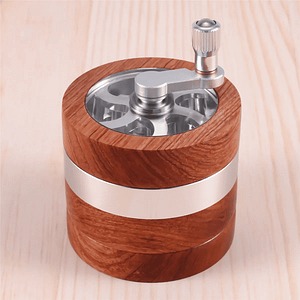
An herb grinder is a compact, handheld tool designed specifically to break dry herbs into small, uniform pieces. It achieves the results like coarse coffee grounds and sea salt without turning them into powder. The herb grinder is the most important accessory for dry herb vaporizers because it creates a uniform particle size that promotes smooth airflow and consistent heating, while minimizing waste. Without a proper grind, larger chunks keep many of the desirable compounds locked inside, meaning a lot of flavor never gets released.
A quality herb grinder does far more than just make herbs smaller. It directly improves every vaporizer experience. Here’s exactly what a good herb grinder achieves:
When herbs are ground into evenly sized pieces, more surface area becomes exposed to heat. This helps the vaporizer warm the material more efficiently, allowing flavors and active compounds to release quickly and evenly. The herb crusher grinder contributes to a richer taste from the very first draw.
Uniform pieces heat at the same rate. No part gets too hot and burns, and no part stays too cold. So you get smooth, clean vapor from start to finish instead of harsh or burnt hits.
A good herb grinder gives you the perfect medium or medium-fine texture: fluffy, even, and just right. Air flows easily, and vapor comes out smoothly every time. When the herb is ground too coarsely, the pieces are large and leave a lot of empty space inside the chamber, which leads to thin vapor. On the other hand, when the herb is ground too finely and turns into powder, it can clog the screen and make it very hard to draw. With almost no airflow, vapor production drops dramatically.
Herb grinders come in several designs, each with different features:
For new vaporizer users, a 4-piece manual herb grinder is usually the best choice. It is easy to operate, budget-friendly (typically $20–$40), with particle collection for convenience.
The material of an herb grinder plays a major role in how well it performs and how long it lasts. It also influences overall use, since different materials respond differently to friction, wear, and heat.
The durability of an herb grinder depends on its material and frequency of use. High-quality aluminum or ceramic models can last 1–3 years with daily use, thanks to their sharp, long-lasting teeth and sturdy threads that resist wear. Signs that it’s time for a replacement include dull teeth that struggle to grind, sticking or jammed threads, metal shavings in the herb, or inconsistent grind texture.
In contrast, plastic grinders tend to wear out much faster, often within 3–6 months due to cracking, chipping, or tooth damage. Regular cleaning and proper storage (like keeping it in a cool, dry place) can help extend the lifespan of any grinder.
Overall, aluminum alloy and ceramic grinders provide the best balance of durability and consistent results. They hold up well with regular use and offer a clean, reliable grind that works well for most vaporizers.
Choosing the right herb grinder can significantly enhance your vaporizer experience. A quality grinder delivers better flavor, airflow, and consistent results every time. Here are the key factors to consider when selecting the ideal one:
Herb grinders typically come in 2-, 3-, or 4-piece designs, each with distinct features. A 2-piece herb grinder is simple and compact, perfect for quick grinding, but it lacks separate storage or a particle screen. A 3-piece model adds a lower chamber to collect the ground herb, making it convenient for basic needs. The 4-piece grinder is the most popular option, featuring a fine mesh screen and a bottom chamber to collect fine particles over time. This design is ideal for users who want to maximize their herb’s potential.
The consistency of your grind directly impacts flavor and performance. A medium grind is similar to coarse coffee grounds, working best for most applications. Too coarse a grind can result in weak vapor or thin clouds, while an overly fine one may clog screens and restrict airflow. When buying a herb grinder, prioritize sharp, evenly spaced teeth; diamond-shaped or triangular teeth are typically the most effective.
The herb grinder’s material affects both its longevity and ease of use. Aluminum or CNC aircraft-grade materials are lightweight, sturdy, and high-quality. Zinc alloy herb crusher grinders are more budget-friendly but can wear down or flake with heavy use, so avoid ultra-cheap grinders. Titanium grinders offer exceptional durability and smooth operation, but at a premium price.
Grinder size influences portability and capacity. A 1.5–2-inch herb grinder is pocket-friendly and suited for personal use. The 2.2–2.5-inch size strikes a great balance between capacity and ease of turning, making it the most popular choice. Buying herb grinders over 3 inches is best for heavy users or group sessions.
The number and shape of teeth determine the herb grind’s texture. Grinders in the 50–63 mm range usually have 25–54 teeth. More teeth in a diamond pattern yield a finer, fluffier result, while fewer teeth produce a coarser grind, often preferred for convection devices.
Certain features can elevate your herb grinding experience: a strong magnetic lid to prevent spills, smooth threading for effortless twisting (even when sticky), a scraper for collecting fine particles from the bottom chamber, and an anodized finish to minimize sticking and buildup.
Best all-rounder: Buying a 4-piece aluminum grinder (2.2–2.5 inches) with diamond teeth and a screen.
Budget-friendly: Buying a reputable 4-piece zinc grinder priced above $15–20.
Premium choice: Buying a CNC aluminum or titanium herb grinder with extra-sharp teeth for superior durability and performance.
By evaluating these factors and selecting a grinder that aligns with your usage habits, you’ll enjoy greater consistency and efficiency.
The size of your herb grinder plays a key role, depending on how and where you’ll use it. Smaller herb grinders are discreet and highly portable, making them ideal for travelers or on-the-go use. In contrast, larger ones can hold more herb and require less frequent refilling, but are bulkier and less convenient to carry.
For travel or everyday carry, a grinder in the 2–2.5-inch range strikes the perfect balance. This herb grinder typically holds 1–2 grams of herb, weighs very little (usually under 4 ounces), and slips easily into bags or pockets. Larger options (3 inches or more) are better suited for home use, where you can do batch grinding without worrying about portability.
Cleaning your herb grinder helps maintain its performance. Disassemble the grinder into its pieces and brush out any loose residue with a soft tool. For metal or ceramic parts, soak them in high-percentage (91%) isopropyl alcohol for 10–20 minutes to dissolve built-up material. Please avoid this step for plastic grinders, as alcohol can damage them. After soaking, scrub the teeth and crevices gently with a brush, then rinse the herb grinder thoroughly with warm water and allow it to air dry completely before reassembling.
To make the process easier, gather some useful tools like a stiff nylon brush for tough spots, cotton swabs for tight crevices, isopropyl alcohol for soaking, and grinder-specific picks or scraping tools for removing stubborn residue. These cleaning tools will help you achieve an efficient clean without scratching the surfaces.
For most users, cleaning the herb grinder every week or after every 5–10 sessions is sufficient to keep the grinding smooth and preserve good flavor. However, if you’re using stickier herbs, you may need to clean more frequently to prevent buildup and ensure optimal results.