
Are you curious about the world of vaporizing herbs? Vaporizing herbs has become a popular alternative for those seeking a healthier way to consume the natural benefits of plants. In this article, we will explore the various herbs that can be vaporized and the unique benefits they offer.
From calming chamomile and invigorating peppermint to soothing lavender and energizing rosemary, there is a wide range of herbs that can be vaporized for their therapeutic properties. Each herb brings its own distinct aroma and flavor, making the vaporizing experience not only enjoyable but also beneficial for your well-being.
Whether you’re looking to relieve stress, improve focus, enhance relaxation, or boost immunity, vaporizing herbs can be a natural and effective solution. But it’s important to know which herbs are suitable for vaporization and how to properly use them for optimal results.
Join us as we delve into the world of vaporizing herbs and discover the amazing benefits they have to offer. Get ready to embark on a journey of wellness and discover the power of nature’s remedies.
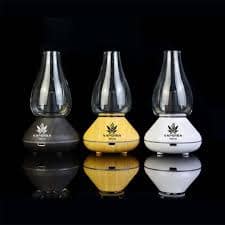
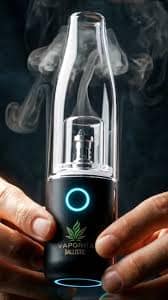
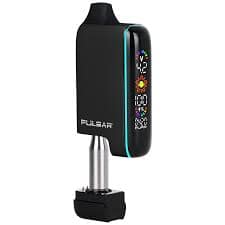
Herb vaporization is a method of consuming herbs and plant-based compounds by heating them to a temperature that releases the active compounds as a vapor, rather than burning them. This process allows you to inhale the beneficial compounds without the harmful byproducts of combustion, such as tar and carbon monoxide. Vaporizing herbs is a popular alternative to smoking, as it provides a cleaner and more controlled way to experience the therapeutic properties of various plants.
The process of vaporizing herbs involves using a specialized device called a vaporizer. These devices heat the plant material to a temperature just below the point of combustion, typically between 180°C and 230°C (356°F and 446°F). At these temperatures, the active compounds in the herbs are released as a vapor, which can then be inhaled. This method of consumption is often preferred by those seeking a healthier alternative to smoking, as it reduces the exposure to harmful substances while still allowing for the enjoyment of the herb’s benefits.
Vaporizing herbs can be an effective way to experience the therapeutic properties of a wide range of plants, from calming herbs like chamomile and lavender to stimulating herbs like peppermint and rosemary. By vaporizing these herbs, you can enjoy their unique aromas, flavors, and effects without the harmful byproducts of combustion. This makes vaporizing a popular choice for those interested in exploring the natural world of herbs and their potential benefits.
Vaporizing herbs offers a range of benefits compared to other methods of consumption, such as smoking. One of the primary advantages is the reduction of harmful byproducts. When you smoke herbs, you are exposed to a variety of toxic substances, including tar, carbon monoxide, and other carcinogens. These substances can have negative effects on your respiratory system and overall health. In contrast, vaporizing herbs eliminates the combustion process, allowing you to inhale the active compounds without the harmful byproducts.
Another significant benefit of vaporizing herbs is the improved efficiency of the delivery system. When you smoke herbs, a significant portion of the active compounds are lost during the combustion process. Vaporizing, on the other hand, allows for a more targeted and controlled delivery of the desired compounds, ensuring that you get the most out of your herbs. This can lead to a more potent and consistent experience, as well as a more cost-effective use of your herbs.
Vaporizing herbs can also provide a more pleasant and enjoyable experience compared to smoking. The vapor produced by a vaporizer is typically smoother and less harsh on the throat and lungs, making it a more comfortable and enjoyable way to consume herbs. Additionally, the ability to precisely control the temperature of the vaporizer allows you to fine-tune the flavor and intensity of the vapor, creating a more personalized and satisfying experience.
When it comes to vaporizing herbs, not all plants are created equal. It’s important to carefully select the herbs that are suitable for this method of consumption. The key factors to consider when choosing herbs for vaporization are safety, potency, and compatibility with the vaporizer.
Safety is of paramount importance when vaporizing herbs. Some herbs may contain compounds that can be harmful when inhaled, even at low temperatures. It’s essential to research the specific herbs you’re considering and ensure that they are safe for vaporization. Reputable sources, such as scientific literature and trusted herbal experts, can provide valuable information on the safety profiles of different herbs.
Potency is another crucial factor to consider when selecting herbs for vaporization. The goal is to choose herbs that will provide the desired effects and benefits when vaporized. This may involve considering the concentration of active compounds in the herb, as well as the specific effects you’re seeking, such as relaxation, focus, or mood enhancement.
Finally, it’s important to ensure that the herbs you choose are compatible with your vaporizer. Different vaporizers have varying temperature ranges and design features, so it’s essential to select herbs that can be effectively vaporized at the temperatures your device can achieve. Consulting the manufacturer’s recommendations or conducting your own research can help you determine the best herbs for your specific vaporizer.
When it comes to vaporizing herbs, there is a wide range of options to choose from, each offering unique benefits and effects. Here are some of the most popular herbs for vaporization and the potential benefits they can provide:
Chamomile: Chamomile is a calming and soothing herb known for its ability to promote relaxation and reduce stress. When vaporized, chamomile can help induce a sense of calmness and tranquility, making it a great choice for those seeking a peaceful and restorative experience.
Lavender: Lavender is another herb renowned for its calming and relaxing properties. Vaporizing lavender can help alleviate anxiety, improve sleep quality, and create a soothing atmosphere. The gentle floral aroma of lavender can also have a soothing effect on the mind and body.
Peppermint: Peppermint is a stimulating and invigorating herb that can help improve focus, boost energy levels, and enhance mental clarity. Vaporizing peppermint can provide a refreshing and uplifting experience, making it a popular choice for those seeking a natural cognitive boost.
Rosemary: Rosemary is an aromatic herb with a variety of potential benefits, including improved memory, enhanced focus, and reduced stress levels. Vaporizing rosemary can help create a calming yet energizing experience, making it a versatile choice for those seeking both mental and physical benefits.
Lemon Balm: Lemon balm is a herb known for its calming and mood-enhancing properties. Vaporizing lemon balm can help reduce anxiety, improve sleep, and promote a sense of well-being. The citrusy aroma of lemon balm can also have a refreshing and uplifting effect.
Ginger: Ginger is a warming and stimulating herb that can help alleviate nausea, improve digestion, and boost circulation. Vaporizing ginger can provide a spicy and invigorating experience, making it a great choice for those seeking relief from various ailments.
By exploring the unique benefits of these and other herbs, you can find the ones that best suit your individual needs and preferences, creating a personalized and enjoyable vaporizing experience.
When it comes to vaporizing herbs, the temperature at which you heat the plant material is crucial for unlocking its full potential. Different herbs have varying boiling points and optimal temperature ranges for vaporization, so it’s essential to understand how to choose the right temperature for the specific herbs you’re using.
Generally, the ideal temperature range for vaporizing herbs falls between 180°C (356°F) and 230°C (446°F). This temperature range allows for the release of the active compounds without causing combustion, which can produce harmful byproducts. However, it’s important to note that the optimal temperature may vary depending on the specific herb and the desired effects.
For example, herbs like chamomile and lavender, which are known for their calming and relaxing properties, may be best vaporized at the lower end of the temperature range, around 180°C (356°F) to 200°C (392°F). This helps preserve the delicate terpenes and flavonoids that contribute to their soothing effects.
On the other hand, herbs with more stimulating properties, such as peppermint and rosemary, may benefit from a slightly higher temperature range, around 200°C (392°F) to 220°C (428°F). This can help release the more robust and invigorating compounds in these herbs.
It’s also worth considering the consistency and density of the herb material. Denser, more compact herbs may require a slightly higher temperature to ensure effective vaporization, while lighter, more delicate herbs may perform better at lower temperatures.
By experimenting with different temperature settings and observing the effects, you can find the optimal temperature range for the specific herbs you’re vaporizing, ensuring a more enjoyable and effective experience.
Proper preparation and packing of herbs for vaporization are crucial for achieving the best possible results. Here are some tips to help you get the most out of your vaporizing experience:
Grind or Chop the Herbs: Before vaporizing, it’s important to break down the herb material into smaller pieces. This can be done by using a grinder or by manually chopping the herbs with a sharp knife. The goal is to create a more consistent and uniform texture, which will help the herbs vaporize more efficiently.
Avoid Overpacking: When packing the herbs into the vaporizer, it’s important not to overfill the chamber. Overpacking can restrict airflow and lead to uneven heating, resulting in a less effective vaporization process. Instead, gently pack the herbs, leaving some space for air circulation.
Distribute Evenly: Ensure that the herbs are distributed evenly within the vaporizer chamber. This will help ensure that the heat is distributed uniformly, allowing for a more consistent and efficient vaporization.
Consider Moisture Content: The moisture content of the herbs can also affect the vaporization process. Herbs that are too dry may burn or produce a harsh, unpleasant vapor, while herbs that are too moist may not vaporize effectively. Aim for a moderate moisture level by storing your herbs in a cool, dry place.
Experiment with Layering: Some vapers find that layering different herbs can create a more complex and nuanced vaporizing experience. You can experiment with layering different herbs, such as a base layer of chamomile topped with a layer of peppermint, to create unique flavor profiles and effects.
By following these tips, you can ensure that your herbs are properly prepared and packed, allowing you to get the most out of your vaporizing sessions and enjoy the full benefits of the plant compounds.
To maximize the benefits and enjoyment of vaporizing herbs, here are some valuable tips to consider:
Familiarize Yourself with Your Vaporizer: Take the time to thoroughly understand the features and settings of your vaporizer. This will allow you to optimize the temperature, airflow, and other parameters to suit your preferences and the specific herbs you’re using.
Start with Lower Temperatures: When vaporizing a new herb, it’s best to start with a lower temperature and gradually increase it until you find the sweet spot. This approach allows you to explore the nuanced flavors and effects of the herb without risking the production of harsh or unpleasant vapors.
Experiment with Blends: Mixing different herbs can create unique and synergistic effects. Try experimenting with blends of herbs that complement each other, such as a combination of calming chamomile and invigorating peppermint.
Pay Attention to Vapor Quality: The quality of the vapor produced by your vaporizer can greatly impact the overall experience. Look for a smooth, flavorful, and consistent vapor, which is a sign that the vaporization process is working effectively.
Hydrate Properly: Vaporizing herbs can be dehydrating, so it’s important to stay hydrated before, during, and after your vaporizing sessions. Sipping water or herbal tea can help replenish fluids and maintain optimal hydration levels.
Clean Your Vaporizer Regularly: Proper maintenance of your vaporizer is crucial for ensuring consistent performance and preserving the quality of your vapor. Follow the manufacturer’s instructions for cleaning and maintaining your device to keep it in top condition.
Keep a Journal: Consider keeping a journal to track your vaporizing experiences, including the specific herbs you’ve used, the temperature settings, and the effects you’ve experienced. This can help you identify the herbs and settings that work best for your individual needs and preferences.
By following these tips, you can enhance your vaporizing experience, discover new herbs and blends, and get the most out of the therapeutic benefits of vaporized herbs.
While vaporizing herbs can be a safer and more enjoyable alternative to smoking, it’s important to be aware of the potential risks and take appropriate precautions. Here are some key considerations:
Respiratory Health: Although vaporizing reduces exposure to harmful combustion byproducts, it’s still possible for the inhalation of plant material to irritate the respiratory system, especially for those with pre-existing conditions like asthma or COPD. It’s important to monitor your body’s response and discontinue use if you experience any respiratory discomfort.
Allergic Reactions: Some individuals may be allergic or sensitive to certain herbs, which can trigger adverse reactions when vaporized. It’s recommended to start with small doses and monitor for any signs of allergic response, such as skin irritation, sneezing, or difficulty breathing.
Potential Contaminants: The quality and purity of the herbs used for vaporization are crucial. Poorly sourced or improperly stored herbs may contain contaminants, such as pesticides or mold, which can be harmful when inhaled. It’s essential to purchase herbs from reputable sources and ensure they are free of any contaminants.
Interactions with Medications: Certain herbs may interact with prescription or over-the-counter medications, potentially affecting their efficacy or causing adverse reactions. If you are taking any medications, it’s important to consult with a healthcare professional before vaporizing herbs to ensure there are no potential interactions.
Potential Lung Irritation: While vaporizing is generally considered less harmful than smoking, the inhalation of any plant material can potentially cause lung irritation, especially with prolonged or frequent use. It’s important to monitor your lung health and discontinue use if you experience any persistent coughing, wheezing, or discomfort.
Addiction and Dependence: As with any form of substance use, there is a potential risk of addiction or dependence when vaporizing herbs. It’s essential to use caution and practice moderation to avoid developing unhealthy habits or dependencies.
By being aware of these potential risks and taking appropriate precautions, you can enjoy the benefits of vaporizing herbs while minimizing any potential negative impacts on your health and well-being.
When it comes to consuming herbs, vaporizing is just one of the many available methods. It’s important to understand the differences and potential advantages of vaporizing compared to other common methods of herb consumption.
Smoking: Smoking herbs involves the combustion of plant material, which produces harmful byproducts like tar and carbon monoxide. Vaporizing, on the other hand, heats the herbs to a temperature below the point of combustion, allowing for the inhalation of the active compounds without the exposure to these harmful substances.
Edibles: Consuming herbs in the form of edibles, such as tinctures or infused foods, can be an effective way to experience the benefits of plant compounds. However, the onset of effects can be slower and the dosage can be more difficult to control compared to vaporizing.
Topical Applications: Applying herbs topically, such as in the form of salves or lotions, can be beneficial for localized issues or skin conditions. While topical application can be effective, it does not provide the same systemic effects as vaporizing or ingesting the herbs.
Tinctures and Extracts: Herbal tinctures and extracts can be a convenient way to consume concentrated plant compounds. However, the effects may be less immediate and can be more difficult to titrate compared to vaporizing.
Infusions and Decoctions: Brewing herbs into teas or other infusions can be a gentle and soothing way to experience the benefits of plants. However, the extraction of active compounds may be less efficient compared to vaporizing.
Ultimately, the choice of consumption method will depend on your individual preferences, the specific herbs you’re using, and the desired effects you’re seeking. Vaporizing offers a unique combination of immediate effects, controlled dosing, and reduced exposure to harmful byproducts, making it a popular and effective choice for many herb enthusiasts.
In conclusion, the world of vaporizing herbs is a fascinating and rapidly evolving landscape, offering a wide range of benefits and possibilities for those seeking a healthier and more enjoyable way to experience the natural properties of plants.
By understanding the process of herb vaporization, the unique benefits it provides, and the diverse range of herbs that can be effectively vaporized, you can embark on a journey of discovery and personal wellness. From calming chamomile and soothing lavender to invigorating peppermint and energizing rosemary, the world of vaporized herbs holds a wealth of potential for improving your physical, mental, and emotional well-being.
As you continue to explore the realm of vaporizing herbs, remember to prioritize safety, experiment with different herbs and blends, and pay attention to your individual responses. By doing so, you can unlock the full potential of these natural remedies and create a personalized vaporizing experience that caters to your specific needs and preferences.
So, whether you’re seeking relaxation, focus, or a boost in overall well-being, the world of vaporized herbs awaits. Embrace the power of nature, and embark on a journey of discovery, be sure to check out the range of herb vaporizers from VAPORBA!