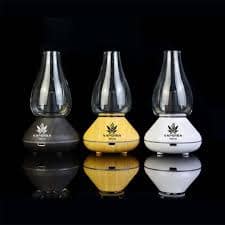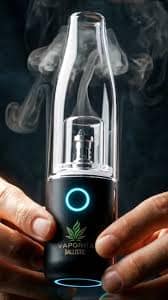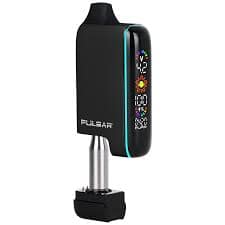
Flavor in a dry herb vaporizer is influenced by a combination of factors including temperature control, airflow design, heating method, and the quality of internal materials. Unlike combustion, which burns material and destroys delicate compounds, vaporization preserves flavor by heating herbs at controlled levels.
The main contributors to flavor include the heating element, chamber, airflow path, and mouthpiece. Each of these plays a distinct role in ensuring that vapor is clean, smooth, and rich in taste.
These components do not work independently. Instead, they function as an integrated system where heat, air, and material interact simultaneously. When balanced correctly, this coordination results in consistent vapor quality and enhanced flavor delivery.
To fully understand how flavor is produced, it is essential to explore the internal structure of the device. The herb vaporization process begins with these core components working together in a synchronized manner.
The heating element is the engine of the vaporizer. It generates the heat required to release active compounds and flavors from the herb without causing combustion.
Heating elements are commonly made from materials such as ceramic, stainless steel, or quartz. Ceramic is favored for its ability to provide even heat distribution, while stainless steel offers durability and rapid heating.
The chamber is where the herb is placed and heated. Its design directly impacts how evenly the material is vaporized.
A well-designed chamber ensures uniform heating, preventing hotspots and ensuring that all parts of the herb contribute to the vapor. This consistency is crucial for maintaining flavor integrity.
The airflow system controls how air moves through the device, carrying vapor from the chamber to the user.
A properly engineered airflow path allows vapor to cool slightly before reaching the mouthpiece, resulting in smoother inhalation and better taste.
The mouthpiece is the final stage in the vapor delivery process.
Materials like glass or high-quality polymers are often used to preserve flavor. A well-designed mouthpiece ensures that the vapor remains pure and enjoyable.
Different heating methods significantly influence the taste and overall experience.
Conduction heating relies on direct contact between the herb and a heated surface.
While this method can produce strong vapor quickly, it may sometimes lead to uneven heating, which can affect flavor consistency.
Convection heating uses hot air to evenly heat the herb.
This method is widely regarded as superior for flavor, as it reduces the risk of burning and preserves delicate compounds.
Hybrid systems combine both conduction and convection methods.
These devices aim to deliver the best of both worlds—efficient heating with improved flavor quality.
Temperature control is one of the most critical factors in vaporization.
Terpenes are the compounds responsible for the aroma and flavor of herbs. Different terpenes activate at different temperatures.
Low vs High Temperature Effects
Lower temperatures preserve flavor and produce lighter vapor, while higher temperatures generate denser vapor but may compromise taste. Finding the right balance is key to an optimal experience.
The materials used in a vaporizer’s construction can greatly influence flavor quality.
Glass airpaths are non-reactive and help maintain pure flavor, while metal airpaths may slightly alter taste if not properly designed.
Ceramic vs Stainless Steel Chambers
Ceramic chambers are known for their ability to retain heat evenly, whereas stainless steel chambers offer durability and faster heating times.
Airflow design determines how efficiently vapor is delivered.
Restricted airflow can intensify flavor but may feel harder to draw, while open airflow provides smoother inhalation.
Cooling and Vapor Density
Proper airflow design ensures that vapor is neither too hot nor too thin, striking a balance between comfort and flavor.
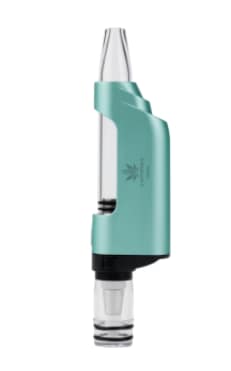
Optimizing your approach can make a noticeable difference in flavor quality. Understanding how to use a dry herb vaporizer properly ensures consistent performance and better results.
Start with lower temperatures and gradually increase to find the ideal range for your preferences.
Proper Maintenance
Regular cleaning of the device prevents residue buildup and maintains airflow efficiency.
Ideal Grind and Packing
Use a medium grind and pack the chamber loosely to allow proper airflow and even heating. Familiarity with dry herb vaporizer parts and functions can further enhance your ability to fine-tune your sessions.
Understanding the complete system helps users appreciate how each part contributes to the final result.
The process begins with the heating element warming the chamber. As the herb heats up, active compounds are released into the air passing through the device.
From Heat to Inhalation
The vapor travels through the airflow path, cools slightly, and finally reaches the mouthpiece, delivering a smooth and flavorful experience.
Even with advanced devices, user error can negatively impact flavor.
Using temperatures that are too high or too low can result in poor vapor quality.
Poor Packing Technique
Overpacking or underpacking the chamber disrupts airflow and heating efficiency.
Dirty Components
Residue buildup in the chamber or airflow path can significantly degrade flavor over time.
Generally, lower temperatures between 160–180°C provide the best flavor while preserving terpenes.
Yes, proper airflow ensures smooth vapor delivery and prevents harshness.
Regular cleaning after a few sessions helps maintain optimal flavor and performance.
Achieving the best flavor from a dry herb vaporizer is not just about the device itself—it’s about understanding how its components work together. From heating methods to airflow design, every detail contributes to the overall experience.By mastering these elements and adopting proper techniques, users can unlock the full potential of their vaporizer, enjoying richer flavors and smoother sessions every time.