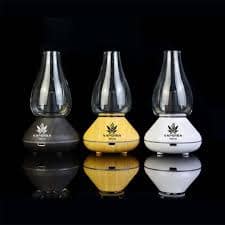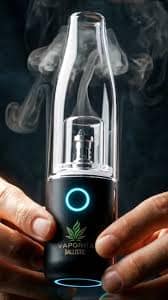
The question of whether flavored vaping products are safer than traditional smoking or even non-flavored alternatives has become one of the most searched health topics in the United States. With changing regulations, growing health concerns, and increased awareness, many users are now looking for clear, research-based answers.
This guide breaks down what current research in 2026 actually says, using simple language, real insights, and practical tips to help you make informed decisions.
A flavored vape is a vaping product that uses e-liquid infused with flavors like fruit, mint, dessert, or candy. These flavors are added to improve the overall experience and make vaping more appealing, especially for new users.
In the U.S., flavored options have played a major role in the growth of vaping. Many adults report that switching to a vape helped them move away from traditional cigarettes. However, this popularity has also raised concerns among health experts and policymakers.
Short Answer: They may be less harmful than cigarettes, but not safe.
Research consistently shows that a flavored vape exposes users to fewer toxic chemicals than combustible cigarettes. Traditional smoking produces tar and thousands of harmful substances through combustion. In contrast, vaping heats liquid into aerosol without burning tobacco.
However, this does not mean a vape is safe.
Health organizations in the U.S. emphasize that while a vape may be less harmful than smoking, it is not risk-free.
Understanding what goes into a flavored vape helps explain the safety concerns.
Some flavoring compounds, especially those used in sweet or buttery flavors, have raised red flags. For example, certain chemicals linked to lung irritation have been found in some vape products.
Short Answer: It can, depending on the ingredients.
Not all flavorings are equal. Research shows that some compounds used in a flavored vape may produce toxic byproducts when heated.
While many U.S. manufacturers have reduced or removed harmful ingredients, the risk still varies depending on product quality. This is why experts recommend caution when choosing any vape.
In recent years, U.S. authorities have tightened rules around flavored vaping products. The main concern is youth usage.
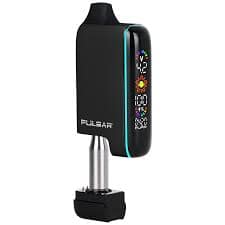
Despite these concerns, some adult users rely on a flavored vape as an alternative to smoking, often pairing it with devices like the best 510 vape battery for a more controlled experience. This creates a complex balance between harm reduction and public health protection.

Short Answer: It might help some people—but it’s not guaranteed.
Some studies suggest that switching to a vape can help adult smokers reduce or quit cigarettes. Flavors may make the transition easier by providing a more enjoyable experience.
U.S. health experts recommend medically approved cessation methods first, such as patches or counseling, before relying solely on a flavored vape.
Even though vaping is often marketed as a safer alternative, there are still health risks.
Frequent use of a vape may increase exposure to these risks, especially if used heavily over time.
If you are already using a flavored vape, there are ways to reduce potential harm.
While no vape is completely safe, informed choices can make a difference.
In 2026, research is still evolving. Scientists in the U.S. are focusing on long-term health effects and better regulation of ingredients.
The role of vape in harm reduction will likely remain a major topic in public health discussions.
So, are flavored vapes safer?
The honest answer is: they are less harmful than smoking, but not completely safe. A vape may help some adult smokers transition away from cigarettes, but it still carries health risks—especially with long-term use.
If you are considering vaping or currently using it, the best approach is to stay informed, choose high-quality products like VAPORBA, and prioritize your long-term health.
1. Is a flavored vape safer than cigarettes?
Yes, it is generally considered less harmful than smoking, but it is not risk-free.
2. Does a flavored vape contain harmful chemicals?
Yes, some may contain chemicals that can irritate the lungs or have long-term effects.
3. Can a vape help quit smoking?
It may help some users, but it is not a guaranteed or officially recommended quitting method.
4. Are all flavored vape products the same?
No, quality and ingredients vary widely between brands and products.
5. Is it safe to use a vape daily?
Daily use increases exposure to potential risks and is not considered completely safe.