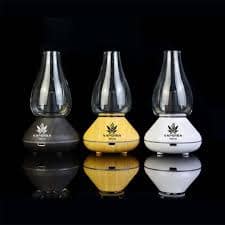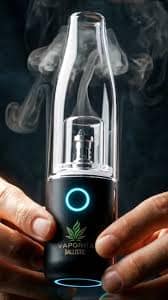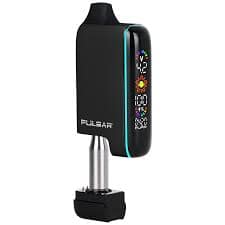

Some users prefer fast and simple devices, while others want smoother airflow, cleaner flavor, and better temperature control. At the same time, advanced products like the ball vape dry herb setup are becoming more popular among experienced vape enthusiasts looking for powerful performance at home.
Choosing the right dry herb vaporizer can make a huge difference in flavor, vapor quality, and overall vaping experience. One of the biggest decisions buyers face is choosing between conduction and convection heating systems.
Whether you are searching for the best portable dry herb vaporizer, a beginner-friendly option, or a powerful desktop setup for heavy sessions, understanding the difference between conduction and convection vaporizers can help you make a smarter purchase.
In this guide, we will break down how each heating method works, compare their pros and cons, explain who they are best for, and help you choose the right vaporizer for your lifestyle.
A dry herb vaporizer is a device designed to heat ground herbs at controlled temperatures without direct combustion. Instead of burning material, vaporizers heat herbs enough to create vapor.
Modern vaporizers are popular because they offer:
Today’s market includes:
The heating system is one of the most important factors when choosing a device.
Conduction vaporizers heat herbs through direct contact with a heated chamber surface.
Think of it like a frying pan. The herbs touch a hot surface and begin vaporizing almost immediately.
Because of these advantages, many beginner-friendly portable devices use conduction heating.
Most conduction devices heat up within seconds.
They are usually smaller and easier to carry.
Simple controls make them beginner-friendly.
Many of the best cheap dry herb vaporizer options use conduction systems.
Herbs closest to the chamber walls heat faster.
Users may need to stir herbs during sessions.
Direct heat may affect flavor during longer sessions.
Convection vaporizers heat herbs using hot air instead of direct surface contact.
When users inhale, heated air passes through the herbs and creates vapor more evenly.
This method is often preferred by experienced users who want better flavor and smoother airflow.
Convection heating preserves natural herb flavor more effectively.
Hot air distributes heat more evenly throughout the chamber.
Many users report cleaner and more comfortable draws.
Convection systems often include advanced temperature controls.
Premium convection devices usually cost more.
Some models require extra heating time.
Convection systems may be less compact.
A ball vape dry herb system is a powerful desktop vaporizer that uses heated ruby, quartz, or ceramic balls to create extremely efficient convection heating.
These systems are becoming increasingly popular among advanced users because they deliver:
Ball vape systems are commonly used at home and are often paired with glass water filtration setups or a dry herb vaporizer bong attachment.
Because of their performance, many enthusiasts consider ball vape systems among the best dry herb vaporizer 2025 options for desktop use.
There is no single answer because it depends on personal preferences and usage style.
| Feature | Conduction | Convection |
| Heat-Up Speed | Faster | Slower |
| Flavor Quality | Good | Excellent |
| Vapor Consistency | Moderate | Better |
| Portability | High | Moderate |
| Battery Efficiency | Better | Lower |
| Ease of Use | Simple | Advanced |
| Price Range | Lower | Higher |
Many users today want portability without sacrificing vapor quality.
Best for:
Advantages:
Best for:
Advantages:
The best portable dry herb vaporizer depends on whether you prioritize convenience or vapor performance.
Heavy users often need stronger battery life, better airflow, and larger herb chambers.
Desktop convection and ball-vape systems are often considered the best dry-herb vaporizers for heavy use because they deliver stronger, more consistent sessions.
Temperature settings directly impact flavor and vapor density.
Best for:
Best for:
Best for:
Advanced vaporizers often allow precise temperature adjustment for better customization.
Many users now pair vaporizers with water filtration setups.
A dry herb vaporizer bong adapter allows vapor to pass through water before inhalation.
Desktop convection and ball vape systems are especially popular for water pipe compatibility.
Decide between:
Do you need:
Longer battery life is important for regular users.
Simple chamber designs reduce maintenance time.
Adjustable settings improve customization.
Look for:
Restricted airflow reduces vapor quality.
High temperatures can reduce flavor quality.
Dirty chambers affect airflow and performance.
Use small cleaning brushes and alcohol wipes regularly.
Avoid overcharging and extreme heat exposure.
Clean:
Keep devices away from moisture and direct sunlight.
Use recommended charging cables and adapters.
Screens and mouthpieces may require replacement over time.
Vape enthusiasts often explore additional products beyond dry herb devices.
Designed for wax and concentrate materials.
Portable tools for quick concentrate sessions.
Popular for cartridge vaping setups.
Used by concentrate enthusiasts for larger vapor production.
Common accessories include:
Conduction vaporizers heat herbs through direct contact, while convection vaporizers use hot air for more even heating.
Convection vaporizers usually provide cleaner and more flavorful vapor.
Yes. They are simple, affordable, and easy to use.
A ball vape system is a high-performance desktop vaporizer that uses heated balls for strong convection heating and dense vapor production.
The best device depends on your needs, including portability, flavor preference, battery life, and temperature control.
Yes. Many vaporizers support water pipe adapters for smoother vapor sessions.
Choosing the right dry herb vaporizer depends on your vaping style, portability needs, and flavor preferences. Conduction devices are great for beginners who want fast heating and convenience, while convection vaporizers offer smoother airflow and better flavor quality.
For advanced users seeking premium home performance, a ball vape dry herb setup can provide powerful convection heating and highly consistent vapor production.Whether you are searching for the best dry herb vaporizer 2025, a portable daily device, or a desktop setup for heavy use, understanding the difference between conduction and convection heating will help you make a more informed buying decision.